Catering kitchen equipment · Buy, not rent

Catering Equipment in Dubai

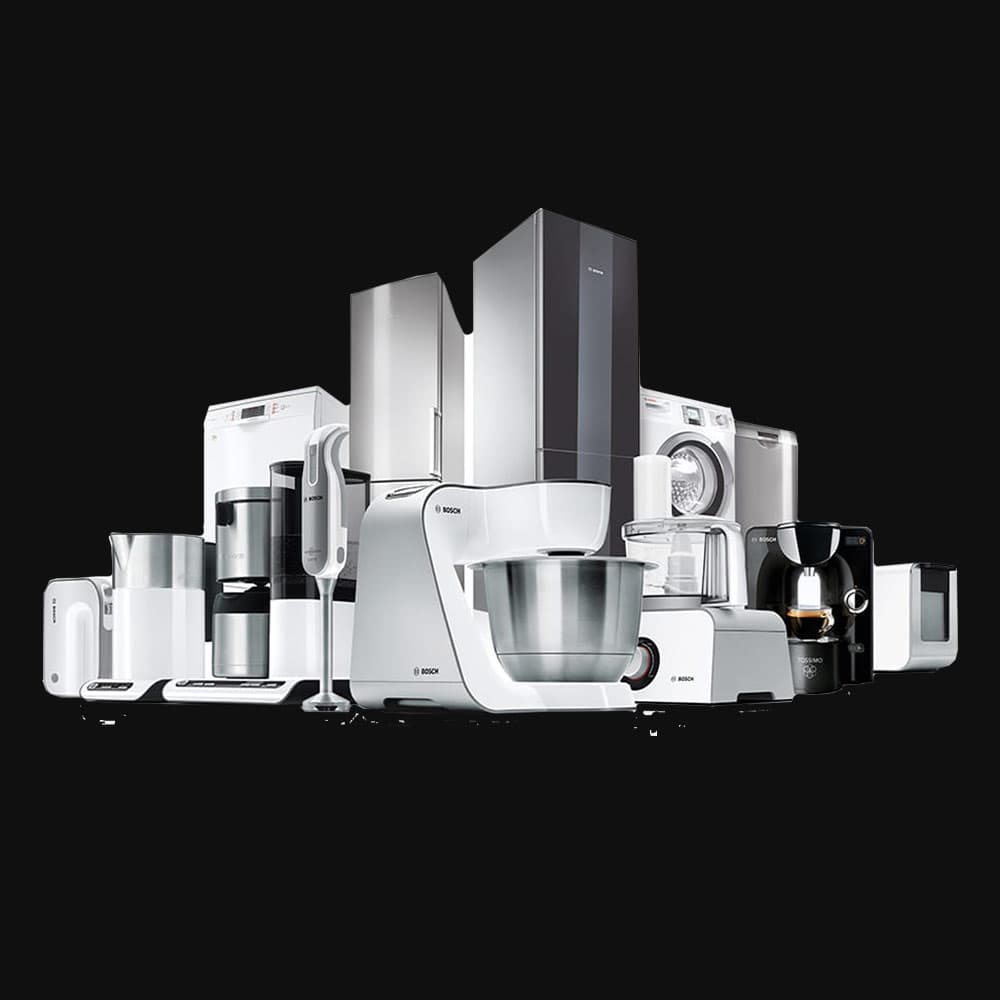
Catering equipment on this page means commercial kitchen equipment you buy to cook, hold, chill, prepare and wash up for catering work, not hire stock or serveware. FIAMMA supplies combi ovens, bratt pans, fryers, upright chillers and freezers, a hood-type dishwasher and custom SUS304 counters, and helps you size them to your meals per service.

Catering Equipment in Dubai

Search for catering equipment in Dubai and you get three markets mixed together: chafing dishes and buffet serveware, equipment hire for events, and the cooking and cold-storage equipment a catering kitchen actually runs on. This page is about the third. If you are a caterer, a central kitchen or a banqueting operation that needs to buy ovens, pans, chillers and wash-up, you are in the right place.

A catering kitchen is judged on one thing: can it produce hundreds of good meals at once, hold them at a safe temperature and get them to the table on schedule. The notes below follow that path stage by stage, with indicative sizing, power planning for generators and event sites, and the questions to put to any supplier. If you already know your meal numbers, send them through the contact page and we will come back with a suggested equipment list.

Are you buying catering equipment or hiring it?

Three different needs share the same search term, and it is worth separating them before you spend money.

  • Serveware and buffet items (chafing dishes, display stands, crockery, cutlery) are usually bought from hospitality stores or rented per event. They are not what this page covers, and they are not part of FIAMMA's range.
  • Equipment rental suits a one-off wedding, exhibition or film-set job where the equipment would sit idle afterwards. If you cater only a few events a year, hiring can be cheaper than owning.
  • Buying commercial kitchen equipment makes sense once you cook for catering every week: a central production kitchen, a contract caterer, a banqueting department, an outdoor-catering company with a prep base. That is the equipment we supply.

How a catering kitchen works: cook, hold, transport, serve

Catering differs from restaurant service because cooking and eating are separated by time and distance. Every equipment decision follows from that gap.

  1. Receive and store. Raw ingredients arrive in bulk and go into chillers and freezers within minutes. Cold capacity is usually the first bottleneck, so size it first.
  2. Prepare. Cutting, portioning, marinating and assembly happen on stainless tables, with separate zones for raw and ready-to-eat food.
  3. Cook in batches. Combi ovens, bratt pans and fryers cook the bulk of the menu in large, repeatable loads rather than one order at a time.
  4. Hold. Cooked food waits at a safe hot temperature, or is chilled quickly for later reheating. The gap between cooking and service is where food safety is won or lost.
  5. Transport. Food leaves in insulated or heated carriers, and the kitchen has to load and dispatch to a timetable.
  6. Serve and return. Food is finished and served on site, and the used items come back for washing in volume, often late at night.

Catering equipment by stage: what fits where

The table maps each stage to the equipment that normally serves it, what to check before buying, and the FIAMMA lines that fit. Where a stage needs equipment that is not in our current range, it says so.

Catering kitchen equipment by stage
StageEquipment that fitsWhat to checkFIAMMA lines
Cold storageUpright chillers and freezers, prep chillersLitres of storage per 100 meals, ambient rating, how quickly the cabinet recovers after doors openUpright freezer: 700 L, -18 to -22 °C, listed for ambient up to 43 °C. Meat chiller: 1,400 L, -2 to +4 °C
PreparationStainless work tables, prep chillers, processors, slicersTable height, backsplash, separate raw and cooked zonesCustom SUS304 infill and work tables; food processor rated up to 150 kg/hour
Batch cookingCombi ovens, tilting bratt pans, fryers, rangesLoad size, three-phase or gas supply, heat load on the hoodCombi oven: 10 GN 1/1. Bratt pan: 80 L. Double-well fryer: 12 L + 12 L
Hot holding and passHot cupboards, heated pass counters, bain-marieHolding temperature, GN pan compatibility, door sealsCustom pick-up counter with optional heating and overhead pass shelves
Chilling and dispatchBlast chillers, dispatch chillers, insulated or heated carriersChilling speed, how many trays per cycle, carrier insulationBlast chillers and food carriers are not in our current product list. Ask for a quotation if your menu needs them
Wash-upPre-rinse, hood-type dishwasher, sinks, grease interceptorRacks per hour, hot water supply, drain capacityHood-type dishwasher: up to 60 racks/hour. Pre-rinse spray unit and grease trap interceptor also listed

How much equipment do you need for your meals per service?

Size for the biggest single service you expect, not the average week. Take the largest number of meals you will produce for one dispatch, then work out how many batches your cooking equipment has to run in the time available. The table is an indicative starting point for a plated or boxed menu with one protein, one starch and a vegetable. It is a conversation starter with your kitchen designer, not a design.

Indicative equipment bands by meals per service (starting point only)
Meals per serviceCookingCold storageWash-up
Up to about 1501 combi oven (10 GN 1/1) plus a fryer or range as the menu needs1 upright chiller and 1 freezerPre-rinse sink and one hood-type machine, or a manual sink line
About 150 to 4001 to 2 combi ovens, 1 bratt pan (80 L), a fryer2 to 3 upright chillers, 1 to 2 freezersOne hood-type dishwasher with pre-rinse and loading tables
About 400 to 1,0002 to 3 combi ovens, 2 bratt pans, fryers sized to the menuA cold room or large chilled store plus upright units at the lineOne machine with a longer wash window, or a second wash line
Over 1,000Plan as a production kitchen with batch cooking and chilling in stagesCold room and dedicated chillingDedicated wash-up line, often more than one machine

Power and gas for events, outdoor catering and generators

Catering equipment runs in two places: a base kitchen with a proper supply, and sites where you bring the power yourself. Plan the second case early, because the equipment decides the generator, not the other way round.

  • Electric loads add up fast. On their product pages the FIAMMA combi oven is listed at 18.5 kW, the bratt pan at 15 kW and the hood-type dishwasher at 9.5 kW, all three-phase. Those three alone are about 43 kW connected, before fryers, chillers and lighting.
  • Generator sizing. Generators are sized on connected load with a margin, and motors and compressors draw a higher current when they start. Ask the generator supplier to size against your equipment schedule, not a rule of thumb.
  • Gas and LPG. The combi oven is listed with an electric or gas option, and the gas cooking range is LPG as standard with natural gas jetting available. Cylinder rules at event venues are set by the venue and the authority, so check them before the event, not on the day.
  • Phase balance. Spread single-phase loads such as chillers and small machines across the phases so that one phase is not overloaded.
  • Water and drainage. Dishwashers, combi ovens and prep sinks need a water supply and a drain. At pop-up sites this often limits the plan more than power does.

Hot and cold holding: the principles behind the equipment

Food-safety limits differ by authority, so confirm your exact figures against Dubai Municipality guidance or with your food-safety consultant. These principles are widely used and explain why catering kitchens are equipped the way they are.

  • The danger zone. Cooked food is generally kept either hot (typically at or above about 60 to 63 °C) or cold (typically at or below about 5 °C). In between, bacteria multiply quickly, so the aim is to spend as little time there as possible.
  • Hot holding is for holding, not reheating. Hot cupboards and heated counters keep hot food hot. They are not designed to bring cold food up to temperature. Reheat in the combi oven, then hold.
  • Cool quickly. A commonly cited guide is to bring cooked food from about 60 °C to about 20 °C within two hours, and on to 5 °C within a further four. Shallow GN pans, small portions and enough chilling capacity make that possible. A deep pot in a chiller does not.
  • Keep raw and cooked apart. Use separate tables and chillers, or at least separate shelves, with colour-coded boards.
  • Probe and log. A probe thermometer and a simple temperature log at holding and dispatch cost almost nothing and protect you more than any equipment upgrade.
  • Heat around the cabinet matters. Chillers in loading bays or poorly ventilated rooms work harder. The FIAMMA upright freezer is listed for ambient up to 43 °C; ask the same of any chiller you buy.

Stainless counters, trolleys and service tables

Between the oven and the guest there is a lot of stainless steel. Work tables, pass counters, hot cupboards, undershelves and racks decide how fast a team can plate and load out. Caterers' kitchens and dispatch bays vary so much that these items are usually made to a drawing rather than bought off a shelf.

FIAMMA supplies custom SUS304 fabrication made to your drawing: infill and work tables, pick-up counters, wall shelving and cabinets. The listed infill table is 850 mm high with a 100 mm backsplash as standard, and every dimension can change. For the material itself, see stainless steel kitchen equipment.

  • Measure the route first. Doors, lifts and ramps set the maximum width of a trolley or counter far more often than the kitchen does.
  • Design around GN pans. Counters and shelves that take GN 1/1 and 1/3 pans save repacking between oven, chiller and carrier.
  • Add undershelves and a backsplash. They keep stock off the floor and walls clean.
  • Think about wheels. Mobile racks and trolleys need castors that cope with thresholds and loading ramps. Tell us if you need them as custom items and confirm the design in your quotation.

Wash-up for high volume

Wash-up is the stage most caterers under-size. Everything you served comes back at once, and a bottleneck here delays the next day's production.

  • Read the rating honestly. The listed hood-type dishwasher is rated at up to 60 racks/hour with a 500 × 500 mm rack. Real throughput is lower once loading, unloading and drying are counted, so plan on a share of the rating rather than the full figure.
  • Allow for hot water. A booster heater delivers the final rinse at 80 to 85 °C on the listed machine, but the building still has to supply enough hot water for repeated cycles.
  • Pre-rinse first. A pre-rinse spray unit and a scraping table keep food waste out of the machine and extend the life of the wash water.
  • Dosing and programs. Automatic dosing of detergent and rinse aid and a choice of 60, 90 or 120 second programs keep results consistent between shifts.
  • Grease and drainage. High-volume wash-up sends a lot of fat to the drain. Our grease trap interceptor and the page on commercial dishwashers cover that side.

Where it is used

Contract and corporate caterers

Daily meals for offices and sites need repeatable batch cooking and enough chilled storage to prepare a day ahead.

Wedding and banquet caterers

Large single services in a short window. Combi ovens for the protein, bratt pans for sauces and rice, and hot holding that keeps up with the pass.

Central production kitchens

One base preparing food for several outlets, with chilling and dispatch planned as carefully as the cooking line.

Outdoor and event catering bases

A prep kitchen that feeds event sites, where generator capacity and gas rules shape the choice of equipment.

Staff and camp catering

High volume on a narrow menu, with robust stainless equipment that a small maintenance team can look after.

School and institutional meal providers

Fixed meal times and strict hygiene routines favour simple batch equipment, separate raw and cooked zones and reliable wash-up.

Benefits

Sized to your meals per service

We start from your largest service and work back to oven loads, pan batches and wash-up racks, so you do not over-buy or run short.

Batch-friendly cooking equipment

Combi ovens, 80 L bratt pans and double-well fryers cover most of a catering menu in repeatable loads.

Stainless made to your dispatch layout

Counters, tables and shelving are custom-fabricated in SUS304 to your drawing and the routes your trolleys actually take.

Cold storage rated for hot ambient

The listed upright freezer is rated for ambient up to 43 °C, which matters in a Dubai loading bay.

Wash-up that keeps pace

A hood-type dishwasher with dosing and a hot final rinse, planned with pre-rinse and grease handling.

Related products

Equipment from the FIAMMA range that goes with this page.

Commercial Combi Oven

Commercial Combi Oven

High-performance smart combi oven combining convection heating and steam injection for versatile cooking, roasting, baking, and steaming. Features an advanced touch-screen control panel, automated washing cycle, precise humidity control, and multi-point core temperature probe. Ideal for high-end restaurants, hotels, and catering centers demanding consistency and speed.

Cooking EquipmentView details →
Tilting Bratt Pan

Tilting Bratt Pan

Heavy-duty tilting bratt pan designed for braising, shallow frying, boiling, stewing, and simmering large batches of food. Features a manual handwheel tilting mechanism, thick compound steel base for uniform heat distribution, and high-efficiency heating elements. Built with double-skinned insulated lid for thermal efficiency.

Cooking EquipmentView details →
Double Well Deep Fryer

Double Well Deep Fryer

Professional heavy-duty double well electric deep fryer designed for high-capacity commercial kitchens. Manufactured from premium grade SUS304 stainless steel to ensure longevity, hygiene, and resistance to corrosion. Features independent thermostatic control for each well, allowing you to cook different menu items at optimal temperatures simultaneously. Equipped with safety thermostats, cool-zone technology to prolong oil life, and heavy-duty wire mesh baskets.

Cooking EquipmentView details →
Commercial Upright Freezer

Commercial Upright Freezer

Single-door commercial upright freezer with forced-air ventilated cooling. Built with thick cyclopenthane insulation, self-closing magnetic door gaskets, digital control panel, and adjustable heavy-duty shelves. Designed to operate efficiently in hot kitchen environments up to 43°C ambient temperature.

Cooling and Display EquipmentView details →
Commercial Upright Meat Chiller

Commercial Upright Meat Chiller

Ventilated reach-in storage chiller specifically engineered for storing fresh meat and dairy products. Features a digital thermostat, auto evaporation tray, internal lighting, and high-performance compressor unit providing rapid cooling recovery when doors are opened.

Cooling and Display EquipmentView details →
Industrial Hood Type Dishwasher

Industrial Hood Type Dishwasher

Heavy-duty commercial pass-through hood type dishwasher designed for inline installations with entry and exit tables. Features a high-pressure wash pump, automated dosing pump for rinse aid and detergent, 3 wash programs (60, 90, 120 seconds), and built-in booster heater for 85°C sanitizing final rinse.

Washing Equipment and Sink UnitView details →
Stainless Steel Pick-up Counter

Stainless Steel Pick-up Counter

Custom-made pass-through pickup counter for food presentation and plating. Engineered with a smooth satin-finish top, heavy-duty structural frame, and integrated overhead pass shelf options. Easily integrates hot cupboards, neutral storage, or drawer units below.

Custom Fabricated EquipmentView details →

Frequently asked questions

Is this page about buying or renting catering equipment?
Buying. We supply commercial kitchen equipment for caterers: cooking, preparation, cold storage and wash-up. We do not rent equipment or supply chafing dishes, crockery or other serveware.
What equipment does a catering company need?
At minimum: cold storage, stainless prep tables, batch cooking equipment such as a combi oven and a bratt pan, a way to hold food hot and cold safely, and a dishwasher. The mix depends on your menu and your largest single service.
How many combi ovens do I need for 300 guests?
As an indicative guide, a 10 GN 1/1 combi oven carries roughly 100 to 200 portions per load depending on the item, so two ovens usually cover the protein for 300 in one cooking cycle. Your menu and timing decide the final number.
What size generator do I need for catering equipment?
Add up the connected load from your equipment schedule, allow for motor and compressor starting current and ask the generator supplier to size it. As a reference, a combi oven, a bratt pan and a hood-type dishwasher together are about 43 kW connected, as listed on their product pages.
What temperatures should hot and cold food be held at?
Commonly, hot food is held at or above about 60 to 63 °C and cold food at or below about 5 °C. Exact limits depend on the authority and your food-safety plan, so confirm them with Dubai Municipality guidance or your consultant.
Do you supply chafing dishes, crockery or buffet serveware?
No. Serveware and rental are separate markets. Our range is kitchen equipment: cooking, preparation, cooling, washing and custom stainless fabrication.
Can you make stainless counters and trolleys to size?
We make counters, work tables, shelving and cabinets in SUS304 to your drawing. If you need trolleys or racks, send the dimensions and we will confirm what can be made in your quotation.
Can your cooking equipment run on gas at events?
The combi oven is listed with an electric or gas option, and the gas cooking range is LPG as standard. Whether gas cylinders can be used at a venue is decided by the venue and the authority, so check before you plan around it.
How do I size a dishwasher for banquets?
Count the plates you expect back in the busiest hour, divide by about 12 to 16 plates per rack, and compare with a realistic share of the rated racks per hour. The listed hood-type machine is rated up to 60 racks/hour. Over about 1,000 meals, plan more than one machine or a longer wash window.
Do you supply catering equipment outside Dubai?
Yes. We supply across the UAE, including Abu Dhabi, Sharjah, Ajman, Ras Al Khaimah, Fujairah and Umm Al Quwain.
What do I need to send to get a quotation?
Your menu or meal types, the largest number of meals per service, the power and gas supply at your base kitchen (and at event sites if relevant) and the kitchen layout if you have one. Send them through the contact page or on WhatsApp.

Related guides and solutions

Planning a catering kitchen?

Send your menu and your largest meals-per-service figure. We will suggest the cooking, cold storage and wash-up equipment and come back with a quotation.

Last updated:

Chat with us