Restaurants with à la carte service
A 5 or 6 burner range with a static oven below handles sauces, sautés and finishing on one footprint.
A commercial cooking range is a floor-standing, heavy-duty cooker built for all-day service, with higher burner output, a welded stainless frame and cast-iron pan supports. FIAMMA supplies SUS304 gas cooking ranges with 4, 5 or 6 open burners up to 15 kW each, LPG or natural gas, and an optional static oven or cabinet base.
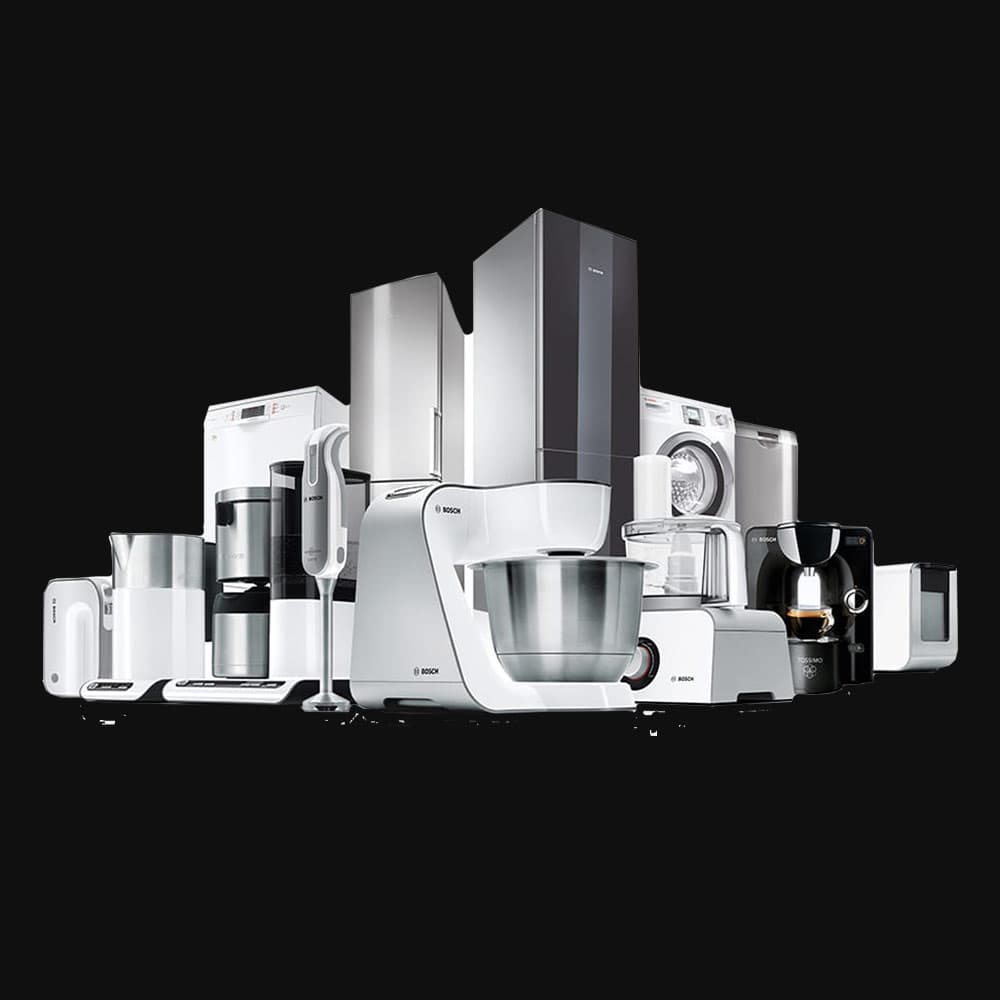
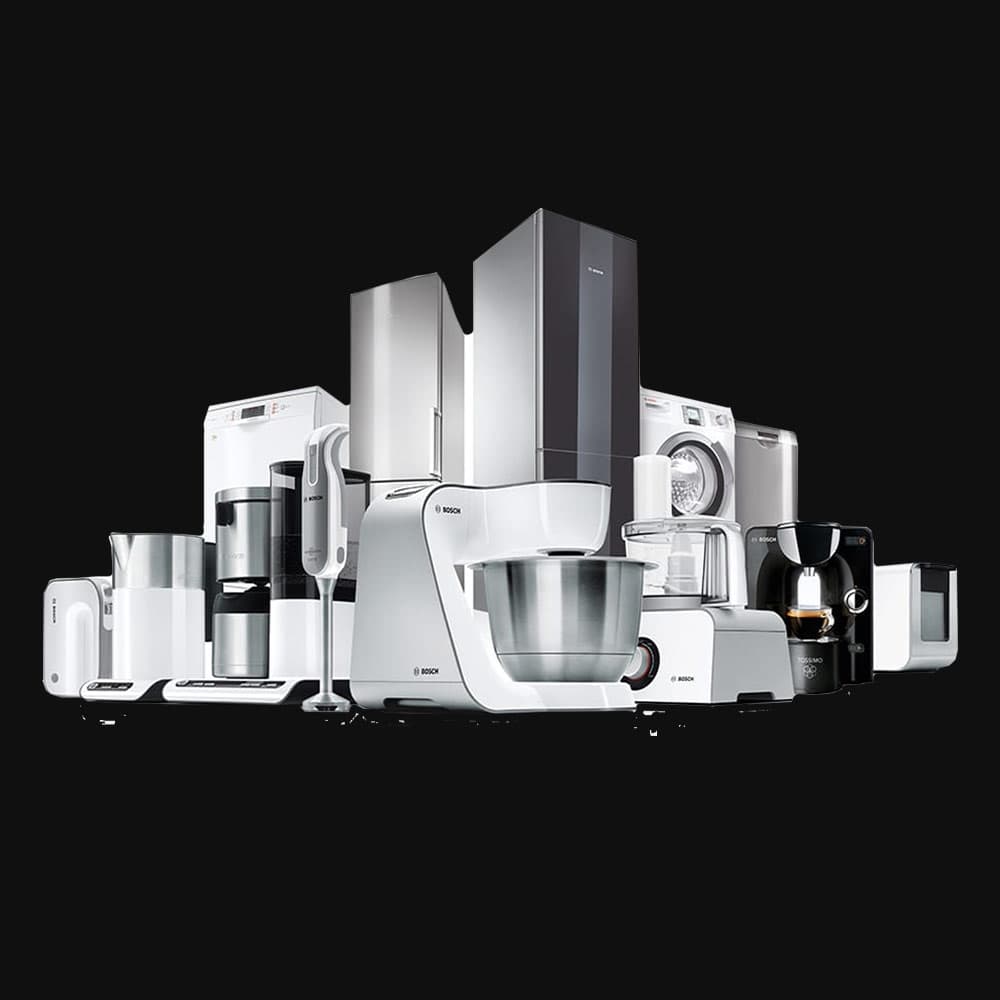
Search for a cooking range in the UAE and most of what you find is a home cooker with a built-in oven. That is not what this page is about. A commercial range is the workhorse of a restaurant, hotel or catering line: it runs for ten to sixteen hours a day, carries a 40-litre stockpot without flinching, and has to be cleaned, serviced and repaired without taking the kitchen offline.
Below we explain how to choose between open burners, a solid top and a griddle top, how many burners a kitchen really needs, what the kW and BTU/h figures mean for your gas supply, and what to check before it is installed. If you already know your menu and line length, send them through the contact page and we will suggest a configuration.
The difference is not the look. It is output, build and how the machine is meant to be abused. A household cooker is designed for perhaps an hour or two of cooking a day. A commercial range is designed for service, then cleaning, then service again.
The top decides what the range can cook. Most restaurant and hotel lines use open burners because they are the most flexible. The other two are specialists, and many kitchens run an open-burner range beside a separate griddle rather than mixing both on one body.
| Top type | How it cooks | Best for | Things to check |
|---|---|---|---|
| Open burners | Direct flame under the pot or pan, instant control | Sauces, stocks, sauté, pasta, rice, wok-style cooking, general à la carte | Burner count, kW per burner, strength of the pan supports, ease of lifting burners out for cleaning. |
| Solid top (hotplate) | Heavy plate heated from below; heat is strongest at the centre and fades to the edges | Simmering pots all day, stocks, moving pans between hot and cool zones | Slow to heat and slow to cool, so it uses more gas when idle. Plate thickness and flatness matter. |
| Griddle (plancha) top | Flat steel or chrome surface for direct contact cooking | Eggs, pancakes, burgers, flatbreads, breakfast service | Smooth or ribbed, plate thickness, grease channel and tray. Often better as a separate counter-top unit. |
| Combination top | Open burners plus a griddle or solid section on one body | Small kitchens with a mixed menu and limited floor space | You trade burner count for the second surface. Check you still have enough open burners at peak. |
The honest answer is: count the pots you need hot at the busiest ten minutes of service, not the total on the menu. A café with a short menu may never use more than three burners at once. A hotel breakfast and banquet line can use all six and want a second range beside it.
A 6 burner cooking range is the usual choice for restaurant, hotel and catering lines because the extra floor space is small compared with the extra capacity. A 4-burner suits compact café and cloud-kitchen use. A 5-burner fills the middle when the line length or hood is fixed. The table below is a starting guide, not a rule.
| Kitchen type | Burners | Base | Why |
|---|---|---|---|
| Café or small kitchen with a short hot menu | 4 | Cabinet base for pans and dry storage | Small footprint, burners rarely all in use at once, storage matters more than baking. |
| Cloud or dark kitchen with a focused menu | 4 or 5 | Cabinet base, or static oven if the menu bakes or holds | Line length is tight and the range usually sits beside fryers and a griddle. |
| Restaurant with à la carte service | 5 or 6 | Static oven for roasting, finishing and holding | Several sauces and sautés run together at peak; an oven below saves a separate unit. |
| Hotel, banquet or catering kitchen | 6, often more than one range | Static oven, plus separate ovens for volume baking | Large pots, many dishes at once. Consider a bratt pan or a separate stockpot stove for bulk cooking. |
| Staff canteen or camp kitchen | 6 | Cabinet base or static oven | Heavy stockpots and rice cookers. Strong cast-iron supports and high burner output matter most. |
Burner output is quoted in kW or in BTU/h. The conversion is simple: 1 kW is about 3,412 BTU/h. So a 15 kW burner, the upper figure on our range, is about 51,000 BTU/h, and six burners at full output add up to 90 kW, roughly 307,000 BTU/h of connected gas load.
Three things follow from those numbers:
LPG or natural gas. A burner is built around its jet, the small orifice that meters gas into the flame. LPG and natural gas need different jet sizes and pressures, so a range set up for one will run badly or unsafely on the other until it is re-jetted. The FIAMMA range ships with universal LPG jets as standard, and can be custom-jetted for natural gas where the kitchen is connected to a central gas pipe system, which is common in malls and hotels. Always state your gas type when you order, and have any conversion done by a qualified technician.
Static oven or cabinet base. Under the burner deck you can have a static oven or a cabinet. A static oven has no fan, so it heats by radiant and natural heat, which suits roasting, finishing, holding and baking trays of casseroles. It is not a replacement for a convection or combi oven when you bake in volume, see our guide to commercial ovens. A cabinet base gives you dry storage for pans and is the better choice where the menu does not bake.
Two ranges with the same burner count can last very different lengths of time. When you compare quotations, ask about these points:
A gas range puts heat, combustion products and grease vapour into the room. Plan the ventilation and gas safety at the same time as the range, not after it arrives.
Ventilation. Gas ranges are typically treated as medium-duty equipment under a kitchen hood. As an indicative figure, a wall canopy over a medium-duty line is designed at roughly 1,700 m³/h per metre of hood, with an overhang of around 150 mm beyond the cooking surface. Our page on commercial kitchen hoods covers the sizing in detail, and the custom extraction hood can be cut to the length of your range line.
Clearances. Every range has a manufacturer's minimum clearance to side and rear walls, especially combustible ones, and a minimum height under the hood. Leave service access at the rear for the gas connection. Where a range sits between other appliances, an infill table closes the gap neatly and keeps heat away from neighbouring equipment.
Gas safety. In general terms, expect a lockable isolation valve within reach, an approved flexible hose or rigid connection, and installation by a licensed gas contractor. Some projects also link the gas supply to the extraction system so gas shuts off if the fan stops, and require gas detection. Cylinder storage and bulk LPG are governed by local rules. Confirm your requirements with your consultant and Civil Defence.
A 5 or 6 burner range with a static oven below handles sauces, sautés and finishing on one footprint.
Six burners with strong cast-iron supports for large pots, often paired with a bratt pan and separate ovens for volume.
A 4-burner range with a cabinet base keeps the footprint small and gives storage for pans.
A focused menu on a tight line: a 4 or 5 burner range beside fryers and a griddle, under a single hood.
Heavy stockpots and long shifts need robust supports, high output and an easy-clean top.
Simple, rugged ranges that a small maintenance team can look after, with LPG or natural gas as the site allows.
4, 5 or 6 burners and a static oven or cabinet base, chosen for your menu and your hood length.
A fully welded SUS304 frame and removable cast-iron supports that carry stockpots and woks.
Up to 15 kW per burner with an independent valve on each, from a slow simmer to a hard boil.
Universal LPG jets as standard, with natural gas jetting available for kitchens on a central gas line.
The same SUS304 finish as your hood, work tables and shelving, so the line looks and cleans as one.
Equipment from the FIAMMA range that goes with this page.
Heavy-duty open-burner gas cooking range built on a fully welded SUS304 stainless steel frame for continuous high-volume service. Cast-iron pan supports, independent burner valves, and an optional oven base combine high-heat output with the durability commercial kitchens demand day after day.
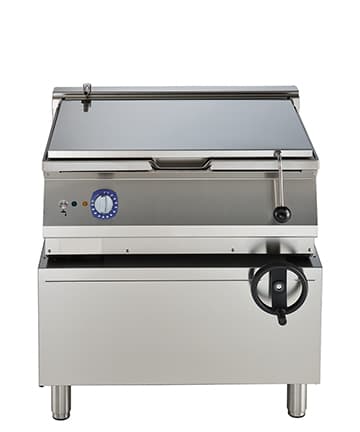
Heavy-duty tilting bratt pan designed for braising, shallow frying, boiling, stewing, and simmering large batches of food. Features a manual handwheel tilting mechanism, thick compound steel base for uniform heat distribution, and high-efficiency heating elements. Built with double-skinned insulated lid for thermal efficiency.
Heavy-duty SUS304 stainless steel extraction canopy engineered for high-heat commercial cooking lines. Integrated baffle grease filters, welded drip channels, and an optional built-in water mist fire suppression manifold contain grease-laden vapor and suppress flare-ups at the source, keeping kitchens compliant with UAE Civil Defence fire-safety codes.
Send your menu, line length and gas type. We will suggest a burner count and base, and come back with a quotation.
Last updated: