Buying guide · Choosing who to buy from

Kitchen Equipment Manufacturer vs Supplier vs Turnkey Contractor

A manufacturer makes the product, a supplier sells equipment made by others, a fabricator cuts and welds stainless steel to your drawing, and a turnkey contractor runs the whole fit-out. Many Dubai companies do more than one. Choose by what you need delivered, then verify each claim with documents, references and a site visit.

Kitchen Equipment Manufacturer vs Supplier vs Turnkey Contractor

Search for a kitchen equipment company in Dubai and almost every website says the same thing: manufacturer, supplier and turnkey contractor, all in one line. Sometimes that is true. Often one of those words is doing a lot of marketing work. For a buyer it matters, because each type of company is good at something different and carries a different kind of risk.

This guide is neutral and buyer-first. It defines the four roles, compares them, gives you the questions to ask each, lists the red flags, and shows how to check any company's claims without taking its word for it. It also tells you plainly where FIAMMA sits, so you can judge us on the same terms. If you are still working out your budget, the kitchen equipment cost guide is the companion to this page.

What do manufacturer, supplier, fabricator and turnkey contractor actually mean?

The words are used loosely in the UAE market, so start with working definitions. These describe what each role does in practice, not any company in particular.

  • Manufacturer. Designs and builds the product itself, in its own production facility, under its own brand or for others. It controls material, design and quality, and usually offers parts for what it builds. A manufacturer of ovens is not necessarily a manufacturer of refrigeration.
  • Supplier or dealer. Sells equipment made by other companies, often from several brands. Strength is range, availability and being the local point of contact. Quality depends on which brands it carries and how well it supports them.
  • Fabricator. Cuts, bends and welds stainless steel to your drawing: tables, sinks, shelves, cabinets, hoods, counters. Strength is custom fit. Quality depends on grade, gauge, welding and finish.
  • Turnkey or design-and-build contractor. Takes responsibility for the project as a whole: layout, equipment, ventilation, services, installation and often approvals coordination, then hands over a working kitchen. Strength is single-point responsibility. The cost is that you rely on one party's choices.

Manufacturer vs supplier vs turnkey: comparison table

Use this table as a quick filter. Where a cell says 'varies', the answer depends on the specific company, and that is exactly what to ask.

Four kinds of kitchen equipment company compared
TypeBest atYou rely on them forWhat to verifyWatch out for
ManufacturerControlled quality, custom specs, parts for their own productsThe product itself and its sparesProof of production: facility, process, material, drawingsA factory claim with no licence activity, no visit and no samples
Supplier / dealerRange, brands, availability, one place to buy and askSelection, delivery, after-sales and warranty handlingWhich brands they are authorised for, who services them, where spares come fromEquipment sold with no service plan; substitution of models
FabricatorMade-to-measure stainless steel that fits your layoutDrawings, material, gauge, welding and finishGrade and thickness in writing, sample work, who approves drawingsThin gauge, rough welds, no drawing approval
Turnkey contractorCo-ordinating layout, equipment, services and handoverProgramme, co-ordination and single-point responsibilitySimilar completed kitchens, who does the work, what is excludedA lump sum with no itemisation; scope that quietly excludes services

Which one do you need for your project?

Start from your project, not from the label. These are the situations that come up most often:

  • You have a consultant, a drawing and a contractor already. You need good suppliers and fabricators who can quote to the drawing and hand over clear scopes. A turnkey contractor would duplicate what you have.
  • You are opening a small cafe or takeaway and want fewer moving parts. A supplier with a clear equipment package plus a fabricator for custom stainless steel is usually enough. A turnkey contractor makes sense if you do not want to manage trades.
  • You need custom stainless steel to fit an awkward unit. Look for a fabricator, or a supplier who fabricates to drawing. Our custom stainless steel fabrication page describes how that work runs.
  • You need a branded combi oven or a specific refrigeration range. A supplier authorised for that brand is the safer route, because warranty and spares come through them.
  • You are building a hotel, central or industrial kitchen. Scale, approvals and trades coordination favour a turnkey contractor or a consultant-led package. See our industrial kitchen solutions page for what the equipment scope looks like at that size.

What should you ask each type of company?

A short list of direct questions separates a prepared company from one that is improvising. Ask them by email, so the answers are in writing.

Questions to ask, and what a good answer looks like
QuestionWhy you ask itA good answer
Which items do you make yourselves and which do you buy in?Separates manufacturing from resale and fabricationA specific list by item, without hedging
Can I see the place where it is made, or a finished sample?Proof of manufacture or fabricationAn invitation to visit or to inspect a sample
What grade and thickness is each fabricated item?Material and gauge decide durabilityWritten, for example SUS304, and a thickness per item
Will you provide a drawing for approval before fabrication?Avoids mistakes on custom itemsYes, with dimensions, collars and cut-outs marked
Who services and supplies spare parts for this item?You will need both within the first yearA named contact and a clear route for spares
What is included: delivery, installation, commissioning, training?The biggest source of scope gapsA line-by-line scope, not a headline price
What do you need from me and from my consultant?Shows how they handle approvals and coordinationA clear list: drawings, loads, site conditions
Can I speak to a customer with a similar kitchen?References show what happens after the saleAt least one reference you can contact

What are the red flags when choosing a kitchen equipment company?

No single sign proves a problem, but several together are worth acting on:

  • The same line, three different roles. Manufacturer, supplier and turnkey contractor are all claimed, but none can be shown with a licence activity, a site, or a reference.
  • No grade or thickness. 'Stainless steel' with no grade and no gauge is a sign the cheaper option is being sold quietly.
  • Lump sum, no breakdown. You cannot compare what you cannot see.
  • Everything is available immediately. Be cautious with promises of availability and delivery that are not written into the quotation.
  • Compliance as a slogan. 'Fully compliant' with nothing specific is not an answer. Real answers refer to your consultant, your drawings and the authority's review.
  • No after-sales route. If you cannot find out who services the equipment, you will find out later at a bad moment.
  • Pressure to pay before drawings. For custom items, the drawing should come first.
  • Reluctance to be visited. A genuine workshop or showroom does not mind a visit.

How do you check a company's claims?

  1. Ask for the trade licence and read the activities. A licence for trading does not by itself prove manufacturing or fabrication. Check that the listed activities match what the company says it does, and that the licence is current.
  2. Check the address. Visit the showroom or workshop. Look at what is being made or stored, how the stainless steel is handled, and whether the people there can answer technical questions.
  3. Ask for two or three references with kitchens of a similar type and size, and call them. Ask about delivery, snags, and what happened when something went wrong.
  4. Request a specification in writing: grade, thickness, model numbers, included accessories, drawings. Compare it with what you saw in person.
  5. Look at finished work. Look at weld quality, edges, corner radii, drawer runners, and whether doors close evenly. A sample on site beats any brochure.
  6. Get the scope and exclusions in the quotation. Have delivery, installation, commissioning and training written down, or written as excluded.

Where does FIAMMA fit?

We want to be straightforward. FIAMMA Kitchen Equipment supplies commercial kitchen equipment, and custom-fabricated stainless steel items made to the customer's drawing: extraction hoods, infill tables, counters, shelves and cabinets such as our sliding-door wall cabinet. SUS304 stainless steel is our standard, and our extraction hood is built from SUS304 at 1.2 mm.

We are not a turnkey contractor. We do not run the full fit-out, the MEP works or the approvals process. We work to your consultant's or contractor's drawings, we tell you what each item needs from the building, and we supply cooking, preparation and refrigeration equipment such as a combi oven or an upright freezer with the specification as listed on the product page.

Everything above applies to us too. Ask us which items are fabricated and which are supplied, and what is included in the quotation. Send your schedule through the contact page and we will answer in writing.

Where it is used

Restaurant owners shortlisting companies

Use the questions table to compare two or three suppliers on the same terms before you ask for pricing.
Fit-out contractors choosing a stainless steel partner

The fabricator checklist and the grade and gauge questions help judge a partner before work is awarded.

Consultants writing a procurement brief

The comparison table gives a neutral basis for defining who is responsible for what across the project.

Hotel and catering procurement teams

The references and scope questions help separate a supplier from a contractor at large-project scale.

Owners replacing a failed supplier

The red-flag list explains why a project went wrong and what to ask differently the second time.

Benefits

Plain definitions, no marketing words

You see what each type of company does and where its risk lies.

Questions you can send today

The table can be pasted into an email and sent to any supplier.

A way to verify, not just trust

Six checks that work on any company, including FIAMMA.

An honest position statement

We tell you what we supply and what we do not, so you can plan the rest.

Related products

Equipment from the FIAMMA range that goes with this page.
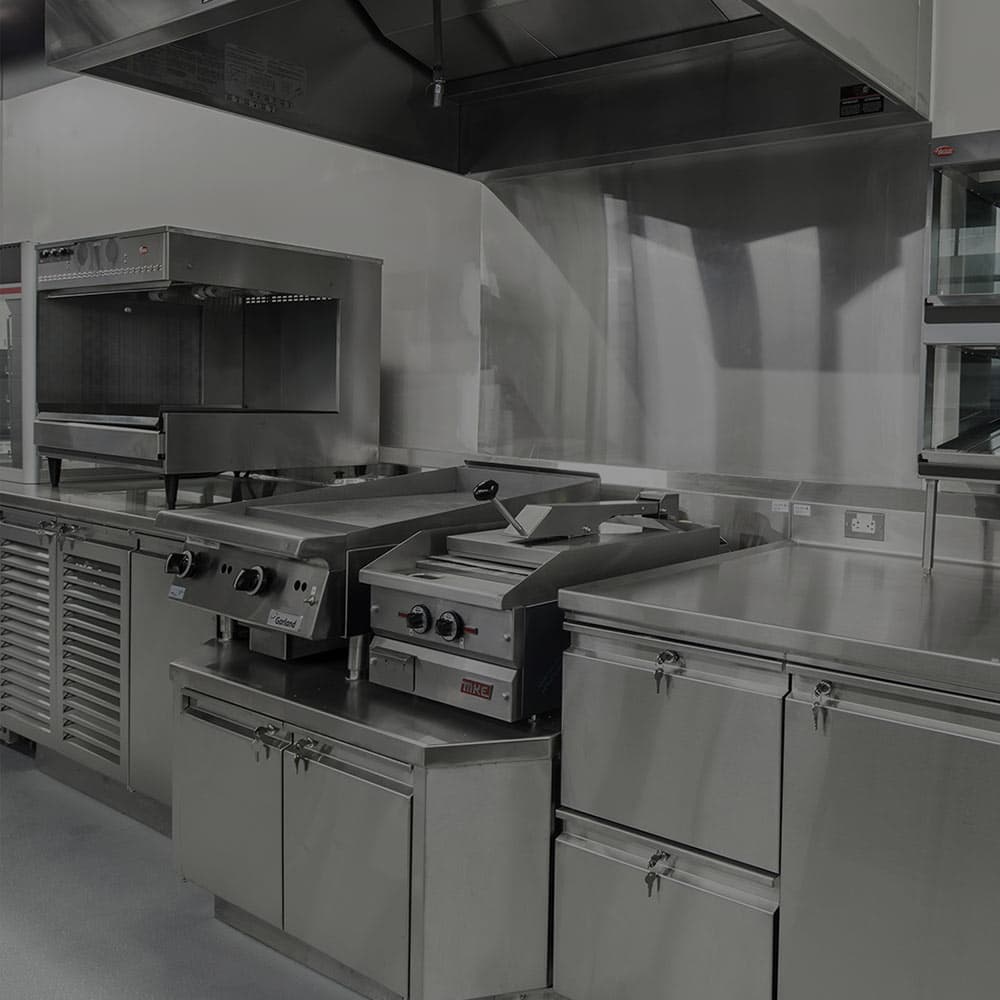
Stainless Steel Kitchen Extraction Hood with Water Mist Suppression

Stainless Steel Kitchen Extraction Hood with Water Mist Suppression

Heavy-duty SUS304 stainless steel extraction canopy engineered for high-heat commercial cooking lines. Integrated baffle grease filters, welded drip channels, and an optional built-in water mist fire suppression manifold contain grease-laden vapor and suppress flare-ups at the source, keeping kitchens compliant with UAE Civil Defence fire-safety codes.
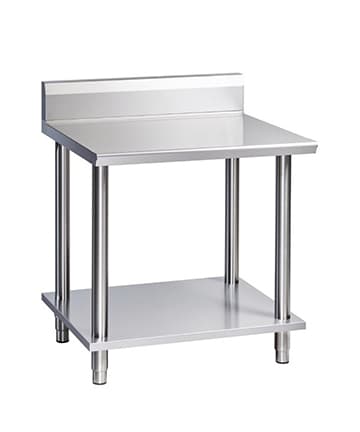
Custom Fabricated EquipmentView details →
Stainless Steel Infill Work Table

Stainless Steel Infill Work Table

Custom manufactured stainless steel infill work table. Ideal for filling gaps between heavy cooking appliances or creating dedicated prep stations. Constructed from premium heavy-gauge SUS304 stainless steel with sound-deadening under-panel reinforcement, adjustable bullet feet, and a rear backsplash to keep walls clean.
Custom Fabricated EquipmentView details →
Commercial Upright Freezer

Commercial Upright Freezer

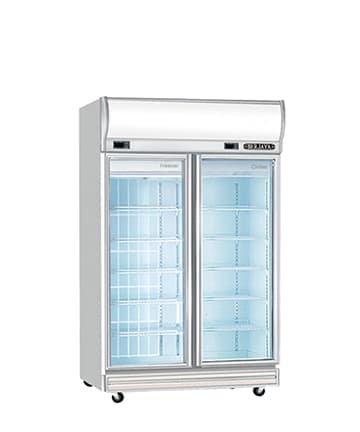
Single-door commercial upright freezer with forced-air ventilated cooling. Built with thick cyclopenthane insulation, self-closing magnetic door gaskets, digital control panel, and adjustable heavy-duty shelves. Designed to operate efficiently in hot kitchen environments up to 43°C ambient temperature.
Cooling and Display EquipmentView details →
Commercial Combi Oven

Commercial Combi Oven

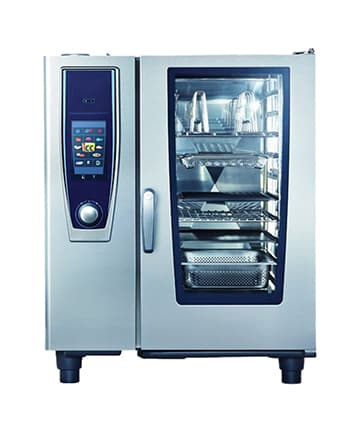
High-performance smart combi oven combining convection heating and steam injection for versatile cooking, roasting, baking, and steaming. Features an advanced touch-screen control panel, automated washing cycle, precise humidity control, and multi-point core temperature probe. Ideal for high-end restaurants, hotels, and catering centers demanding consistency and speed.

Cooking EquipmentView details →

Frequently asked questions

What is the difference between a kitchen equipment manufacturer and a supplier?
A manufacturer builds the product in its own production facility. A supplier sells equipment made by others, often from several brands. Some companies do both for different lines, so ask which items they make and which they buy in.
Is a fabricator the same as a manufacturer?
Not exactly. A fabricator cuts and welds stainless steel to your drawing, such as tables, sinks, shelves and hoods. It does not usually build machinery like ovens or refrigeration. For custom stainless steel, a fabricator is often the right choice.
What does a turnkey commercial kitchen contractor do?
A turnkey or design-and-build contractor takes responsibility for the whole project: layout, equipment, services, installation and usually coordination of approvals, then hands over a working kitchen. Check what is excluded from the scope.
When should I choose a turnkey contractor instead of a supplier?
When you do not have a consultant, the project is large or complex, or you do not want to manage several trades. If you already have drawings and a contractor, a good supplier and fabricator are usually enough.
How can I tell if a company really manufactures its products?
Ask for the trade licence and read its listed activities, visit the site, ask for finished samples and written specifications, and request a customer reference. A factory claim should survive all four.
What should I ask a supplier before buying?
Which brands they are authorised for, who services the equipment, where spare parts come from, what is included in delivery and installation, and the lead time in the quotation. Ask for these in writing.
Does FIAMMA manufacture its equipment?
FIAMMA supplies commercial kitchen equipment and custom-fabricated stainless steel items made to the customer's drawing. For any specific item, ask us whether it is fabricated to your drawing or supplied, and we will tell you in the quotation.
Is FIAMMA a turnkey contractor?
No. We supply equipment and custom stainless steel and work to your consultant's or contractor's drawings. We do not run the full fit-out, MEP works or approvals.
Can a supplier get my kitchen approved?
Approval is decided by the relevant authority and is normally coordinated through your consultant or contractor. A supplier can provide drawings and specifications to support the submission, but cannot approve anything itself. Rules vary, so confirm with your consultant.
Do you supply outside Dubai?
Yes. We serve all seven emirates. Send your requirements through the contact page.

Related guides and solutions

Want a supplier that answers in writing?

Send your equipment schedule and drawings. We will confirm what is fabricated and what is supplied, and itemise the quotation.

Last updated:

Chat with us